Difference between TiLite ZR and the TiLite ZRA?
The TiLite ZR and TiLite ZRA are both rigid-frame manual wheelchairs designed for users who want efficient everyday mobility. At first glance, the two chairs can appear very similar. However, an important difference is found in their frame construction and tube thickness.
Understanding the frame type is useful when choosing between these two TiLite wheelchair models. The frame affects the chair’s overall feel, rigidity, weight, handling and how efficiently it transfers your effort into movement.
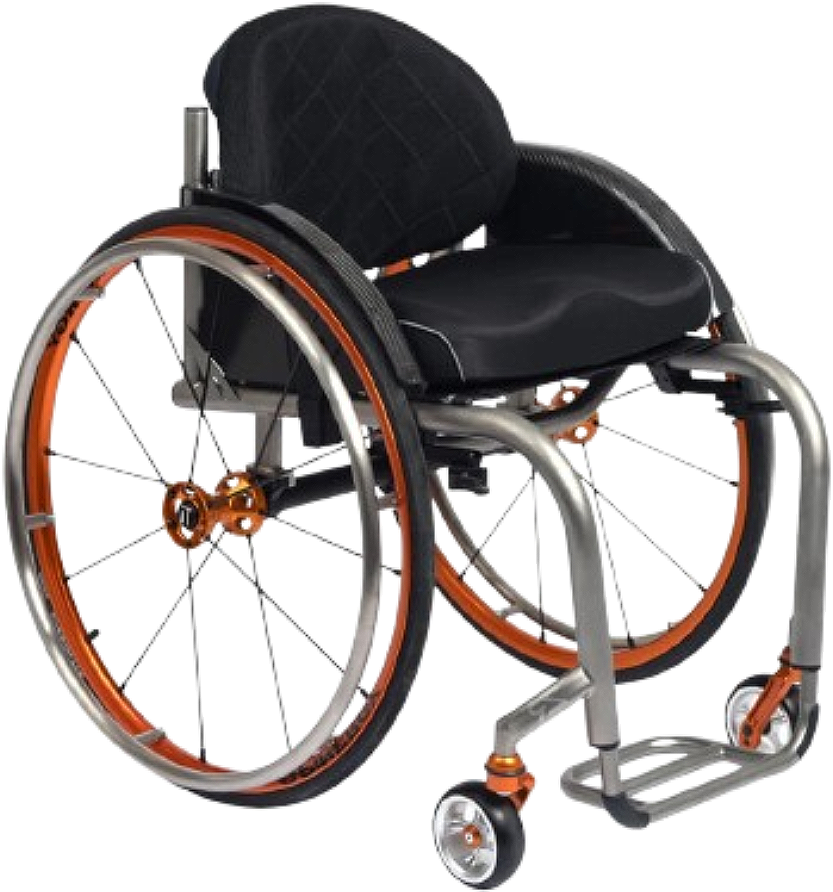
TiLite ZR
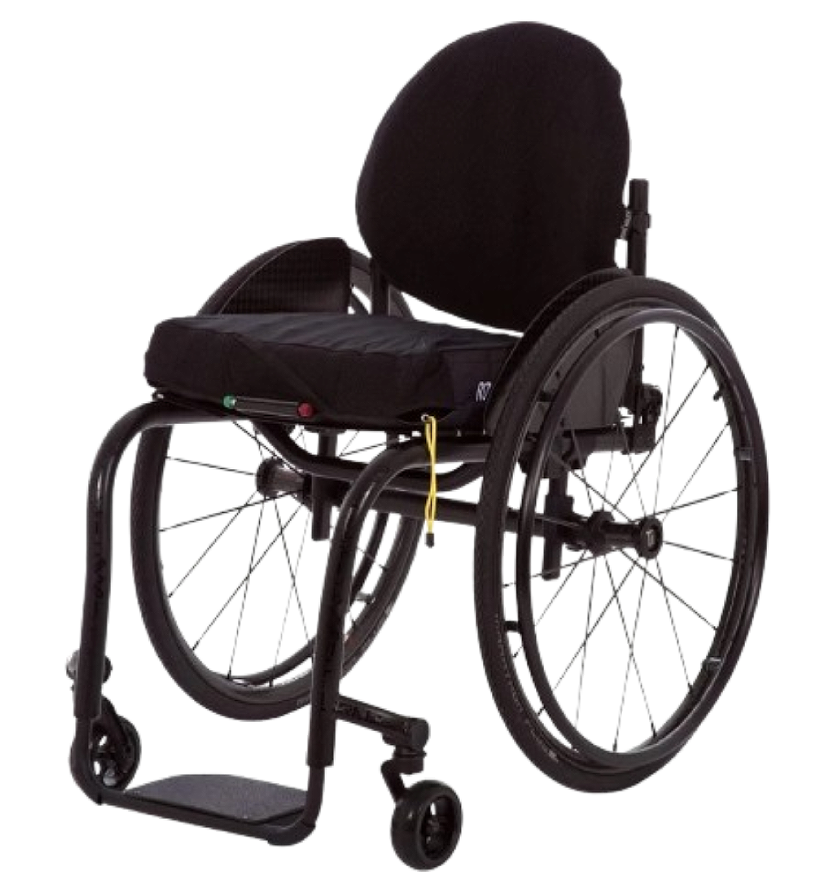
TiLite ZRA
So, what is the difference between
TiLite ZR and TiLite ZRA?
In simple terms, the ZR uses a more streamlined rigid-frame design, while the ZRA uses a different frame construction with tube thickness that contributes to its overall structure and performance.
Construction
Thickness
Performance
Feel
TiLite ZR
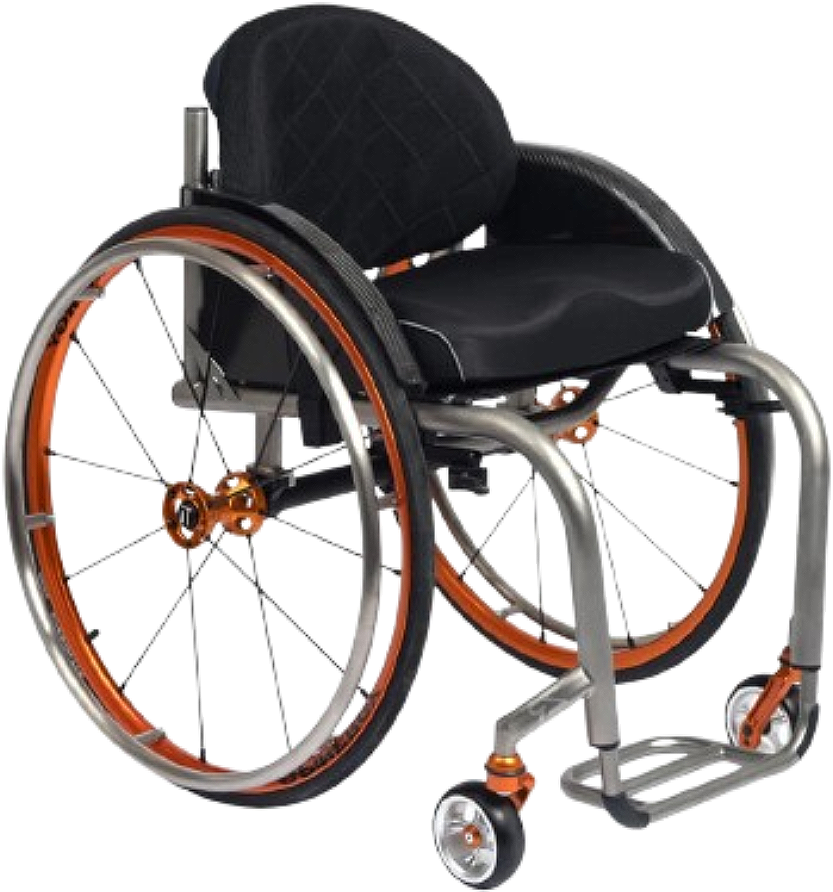
Frame & Tubing
The TiLite ZR is built around a rigid-frame concept intended to provide an efficient and responsive ride. The frame construction focuses on keeping the wheelchair streamlined while maintaining the rigidity required for everyday propulsion.
frame design
thickness
TiLite ZRA
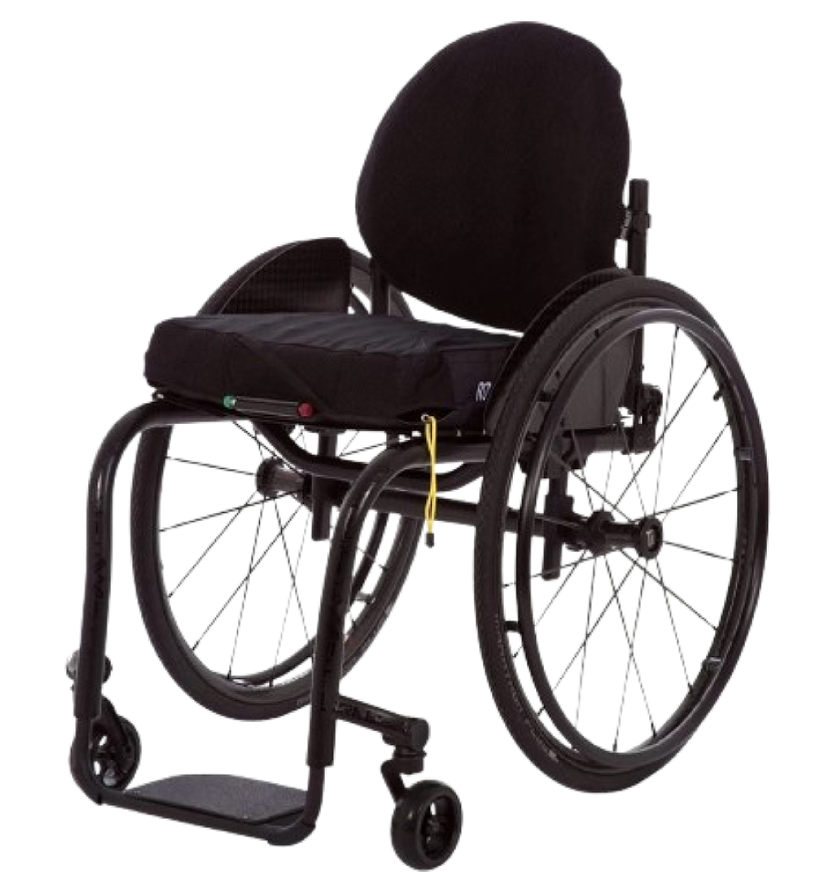
Frame & Tubing
The TiLite ZRA also uses a rigid frame, but its frame construction and tube thickness differ. These differences can influence how the wheelchair feels when accelerating, turning, transferring and loading it for transport.
construction
for added structure
Key Takeaway
Therefore, choosing between the ZR and ZRA should not be based only on appearance. The frame specification, user requirements, seating configuration and intended use all deserve consideration.
TiLite ZR and TiLite ZRA Frame Comparison
| Feature | TiLite ZR | TiLite ZRA |
|---|---|---|
| Frame type | Rigid-frame manual wheelchair | Rigid-frame manual wheelchair |
| Main construction difference | Streamlined rigid-frame design | Alternative rigid-frame construction |
| Tube thickness | Different tubing specification | Different tubing specification |
| Frame feel | Designed for responsive handling | Designed around a different structural balance |
| Folding mechanism | Rigid frame | Rigid frame |
| Propulsion efficiency | Strong focus on efficient movement | Strong focus on efficient movement |
| Customisation | Highly configurable | Highly configurable |
| Best suited to | Users prioritising a streamlined rigid chair | Users who prefer the ZRA's frame and tubing configuration |
Why Does Tube Thickness Matter?
A wheelchair frame needs to balance strength, rigidity and weight. Increasing or changing the tube specification can alter the structural characteristics of the frame. On the other hand, a lighter or more streamlined construction can help create a responsive feel without adding unnecessary material.
For wheelchair users, this can translate into differences in handling. For example, the frame may feel different when pushing quickly, changing direction or negotiating uneven surfaces.
However, tube thickness should never be considered on its own. The complete wheelchair setup also includes the seat width, seat depth, rear wheel position, camber, caster setup, seating system and other configuration choices.
Frame Rigidity
A rigid wheelchair frame is designed to minimise unnecessary movement within the frame. This helps the chair respond directly to the user’s push.
Both the ZR and ZRA use rigid-frame designs. However, their construction details differ, which is one reason the two models can feel different even though they share a similar overall purpose.
Weight and Transport
Weight is another important consideration for many manual wheelchair users.
A wheelchair that is easier to lift can be more convenient when travelling by car or moving it around the home. Nevertheless, the final weight depends on the complete configuration rather than the frame alone.
Therefore, compare the actual configured wheelchair weight, rather than relying solely on the model name.
TiLite ZR vs TiLite ZRA: Which Is Better?
There is no single answer to which wheelchair is better.
The right choice depends on the user’s priorities, body position, mobility needs and preferred driving characteristics.
The TiLite ZR may appeal to someone looking for a streamlined rigid wheelchair design with an emphasis on efficient handling.
The TiLite ZRA may be more suitable for someone who prefers its particular frame construction and tube specification.
In addition, professional wheelchair setup can make a significant difference. A correctly positioned rear axle and properly configured seating system can influence how easy the chair is to propel.
Choose the TiLite ZR If:
You prefer the ZR's rigid-frame design.
You want a responsive manual wheelchair.
A streamlined frame is important to you.
You want a highly configurable rigid wheelchair.
Your wheelchair specialist recommends the ZR for your seating and mobility requirements.
Consider the TiLite ZRA If:
You prefer the ZRA's frame construction.
Tube thickness and frame characteristics are important to your decision.
You want an alternative TiLite rigid-frame configuration.
The ZRA better matches your preferred seating and driving setup.
TiLite ZR vs TiLite ZRA: Which Should You Buy?
When comparing the TiLite ZR and TiLite ZRA, focus first on the frame construction rather than choosing based on appearance.
The difference in tube thickness can contribute to the structural characteristics of each wheelchair. However, the best wheelchair is the one that matches the user’s posture, propulsion style, dimensions and daily activities.
For example, an active wheelchair user who regularly travels may prioritise weight and transport. Another user may place greater importance on stability, seating position or frame feel.
Consequently, a proper assessment is recommended before ordering. A wheelchair specialist can help determine the most appropriate frame, dimensions and configuration.
Frequently Asked Questions
What is the main difference between the TiLite ZR and TiLite ZRA?
The main difference is their frame construction and tube thickness. Although both are rigid-frame manual wheelchairs, these construction differences can influence the frame’s structural characteristics and overall driving feel.
Is the TiLite ZR lighter than the TiLite ZRA?
The answer depends on the exact configuration. Wheelchair weight can change according to frame size, seating components, wheels, tyres and other selected options. Therefore, compare the complete configured weights rather than assuming one model is always lighter.
Is TiLite ZR a rigid wheelchair?
Yes. The TiLite ZR is a rigid-frame manual wheelchair. Its rigid construction is designed to provide an efficient and responsive connection between the user and the wheelchair.
Is TiLite ZRA a rigid wheelchair?
Yes. The TiLite ZRA is also a rigid-frame manual wheelchair. However, its frame construction and tube specification differ from the ZR.
Which is better, TiLite ZR or TiLite ZRA?
Neither model is automatically better for every user. The better option depends on the user’s dimensions, seating needs, propulsion style, transport requirements and preferred frame characteristics.
Can a wheelchair specialist help me choose between the ZR and ZRA?
Yes. A specialist assessment can help match the frame and configuration to the user’s individual requirements. This is particularly useful when differences in frame construction or tube thickness are important to the decision.